Let’s Talk About Why Teaching Civics Really Matters
Hey there! As someone who’s spent years teaching social studies, I’ve got to tell you – we need to have a serious conversation about civics education. And no, I don’t mean those boring lectures about how a bill becomes a law (though that stuff matters too!).
The Problem? We’re Kind of Missing the Mark
Here’s the thing – I keep running into high school graduates who can’t explain how voting works or why local elections matter. And you know what? It’s not their fault. We’ve somehow pushed civics education to the back burner, and it’s starting to show.
Why Should You Care?
Look around. Have you checked social media lately? It’s wild out there! People are sharing all sorts of information (and misinformation) about politics and government. Our kids are growing up in a world where they need to figure out what’s real and what’s not. And let me tell you – that’s way harder than it sounds.
Think about it this way: if you were going to play a new board game, you’d want to know the rules first, right? Well, being part of a democracy is kind of like that, except the stakes are way higher than losing at Monopoly.
What Do Kids Actually Need to Know?
Let’s get real here. Modern civics isn’t just about memorizing the three branches of government (though that’s still important!). Our kids need to learn:
How to spot fake news and not fall for those clickbait headlines. Trust me, this is a survival skill in today’s world.
What it actually means to be an active citizen. Spoiler alert: it’s more than just voting every four years. It’s about knowing how to make your voice heard and how to work with others to solve problems in your community.
How to disagree without being disagreeable. I know, I know – seems impossible when you look at political debates these days. But that’s exactly why we need to teach these skills!
The Fun Part? This Stuff Can Actually Be Pretty Cool
I’m not talking about dusty textbooks here. Some of the best civics lessons I’ve seen involve students running mock elections, debating real issues affecting their school, or working on community projects. It’s like learning to swim – you’ve got to jump in the pool eventually!
What Can We Do About It?
First off, let’s stop treating civics like that vegetable we keep pushing around our plate, hoping it’ll disappear. This stuff matters, and it can actually be pretty interesting when done right.
We need to:
- Get students involved in real community issues
- Show them how government decisions affect their daily lives (yes, even that new skate park or why their favorite TikTok might get banned)
- Let them practice being active citizens while they’re still in school
The Bottom Line
Look, I’m not saying civics education will solve all our problems. But here’s what I do know: we can’t expect kids to suddenly become engaged citizens when they turn 18 if we haven’t given them the tools they need.
Sure, teaching civics in today’s politically charged world can feel like walking through a minefield. But you know what’s scarier? Not teaching it at all. Because at the end of the day, our democracy is only as strong as the people participating in it.
So what do you say? Isn’t it time we gave civics education the attention it deserves? After all, we’re not just teaching students about democracy – we’re preparing them to be part of it.
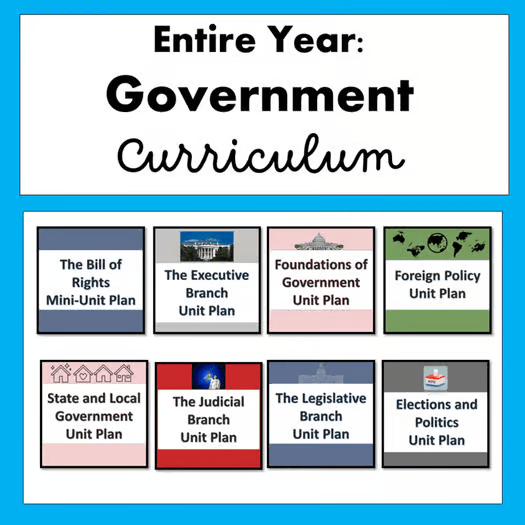
Luckily, I’ve done the heavy lifting for you. At The Patriot Resource I have compiled ALL of my Civics lessons into one place. If you are a seasoned teacher or a homeschool mama, these lessons can work for you. Most are plug and play and take little to no prep work. Check them out, trust me, you will never regret teaching your kids (or students) MORE about how government works, however, it will be a sad day if our kids grow up and don’t know how the system really works. Get started today with some ideas below!


 thepatriotresource.com
Leave a comment